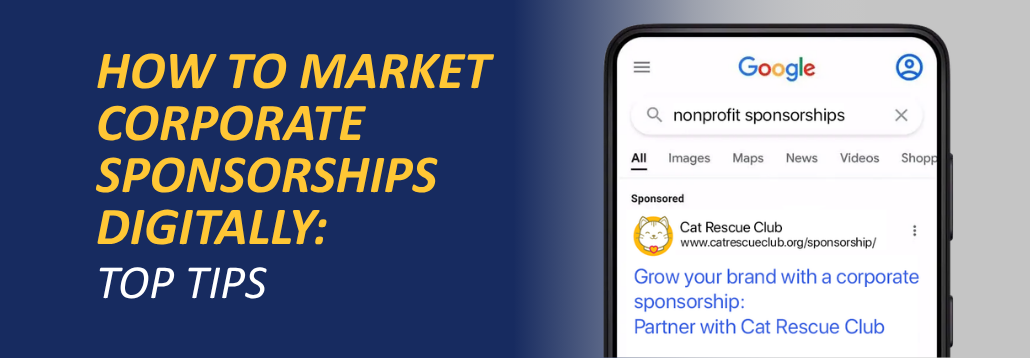
How to Market Corporate Sponsorships Digitally: Top Tips
Last Updated on April 2, 2026
In the modern nonprofit landscape, the traditional “gold, silver, bronze” sponsorship packet sent via snail mail is no longer enough to move the needle. As social responsibility becomes a pillar of brand identity for companies across the board, the way nonprofits approach these potential partners must evolve. And knowing how to market corporate sponsorships digitally becomes increasingly essential.
Why? The digital world offers a massive opportunity for nonprofits to reach a global or regional audience of mission-aligned businesses. Digital marketing for sponsorships isn’t just about asking for money; it’s about demonstrating value, building brand equity, and proving that a partnership with your organization is a sound business investment.
This guide will explore essential strategies for digitizing your sponsorship outreach to ensure your nonprofit stands out in a crowded digital marketplace. We’ll cover the following recommendations:
- Create a corporate sponsorships hub on your website.
- Get started with Google Ad Grants to promote the page.
- Post about sponsorship opportunities on social media.
- Use social proof; spotlight current partners.
While personal networking will always have a place in development, digital marketing serves as an effective, “always-on” recruitment tool. By optimizing your online presence, you can attract partners who are actively searching for causes to support, rather than constantly chasing them down.
Let’s dive into the four pillars of a high-impact digital sponsorship marketing strategy below.
Tip #1. Create a corporate sponsorships hub on your website.
Your website essentially represents your organization’s digital headquarters. When a CSR manager or a marketing director hears about your nonprofit, the first thing they will do is visit your site. If they have to hunt through five menus to find information on how to form a partnership, you’ve likely already lost them.
Our solution? An online “Corporate Sponsorship Hub” is a dedicated, high-converting section of your website designed specifically for a B2B (or business-to-business) audience. Unlike your general donation page, which appeals to individual contributors’ emotions, a corporate sponsorships web page must appeal to a business’s logic, branding needs, and community goals.
Here are some key elements you’ll want to include.
The Value Proposition
This should answer the question of “why” a company should sponsor your organization. For the best results, start with a clear statement of what a partnership achieves. Does your audience overlap with their target demographic? Will this partnership improve their brand sentiment?
Provide tangible data points such as:
- Total annual website visitors.
- Social media following and engagement rates.
- Email list size and open rates.
- Demographics of your supporters (age, location, income level).
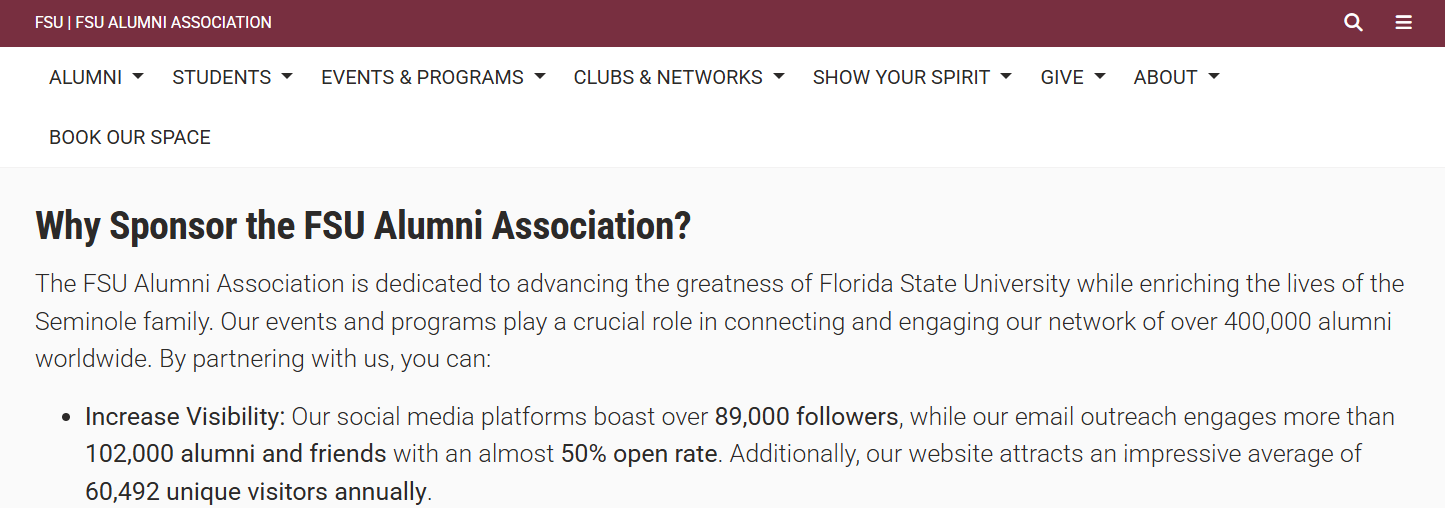
In other words, don’t just list your needs; list the benefits to the corporation.
Interactive Sponsorship Tiers
Rather than a static PDF, create an interactive grid or toggle functionality that outlines different levels of sponsor support. Use clear, descriptive language that emphasizes visibility. For example, instead of “Level 1,” use phrasing like “Community Champion.”
From there, you’ll want to clearly list the digital deliverables offered for each tier, such as logo placement on your event homepage, dedicated social media shoutouts, or “presented by” credits on your webinar series.
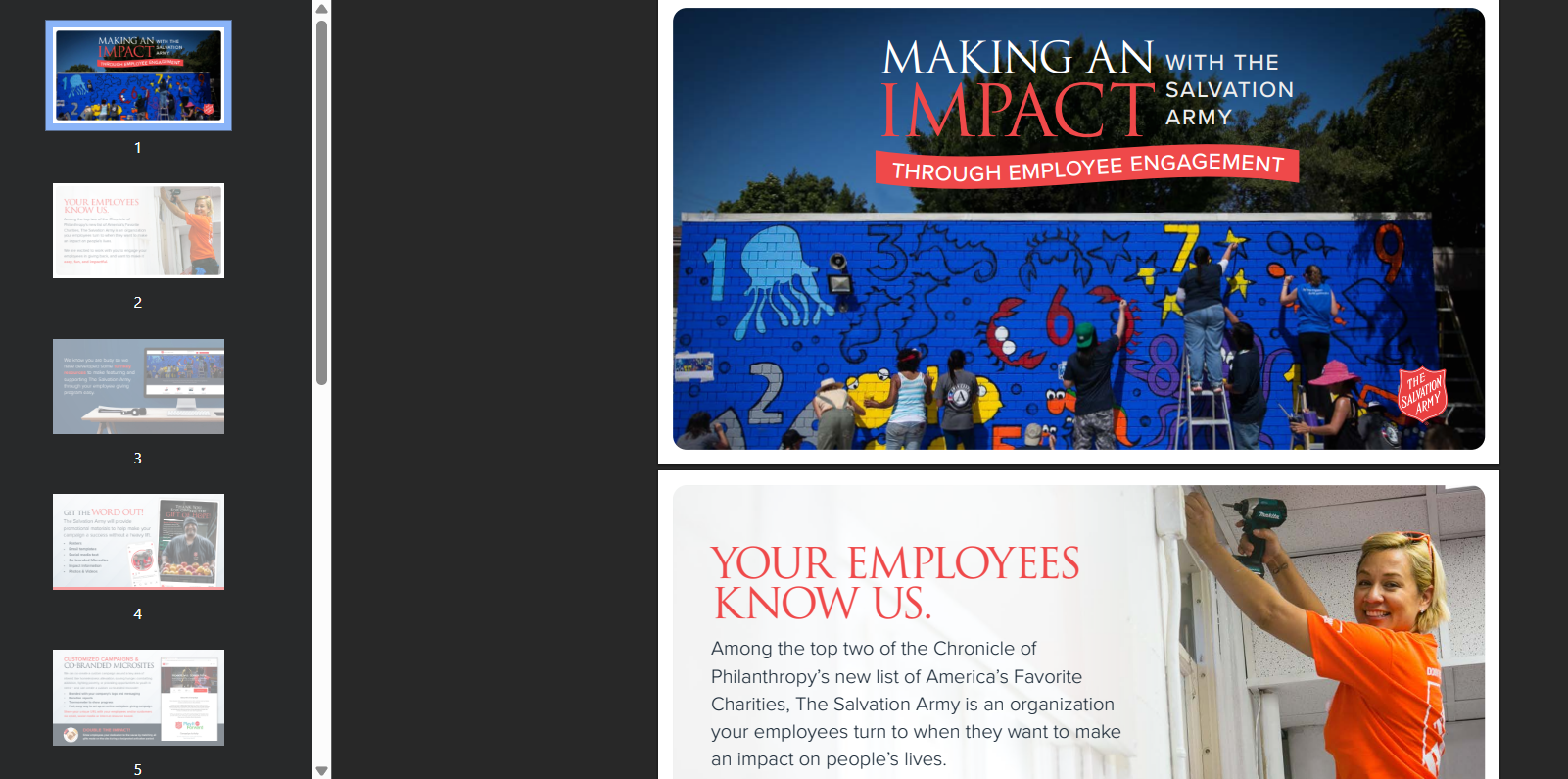
The Digital Prospectus
While the webpage should be the primary interface, some corporate stakeholders still need a document to present to their boards. Provide a high-quality, downloadable PDF prospectus. Ensure this document is designed for easy digital access (e.g., use landscape orientation for optimal monitor viewing) and includes clickable links back to your website’s contact forms to encourage engagement.
Tailored Contact Forms
Do not use your general “Contact Us” form. Instead, create a dedicated Corporate Partnership Inquiry form that can be embedded within this specific page.
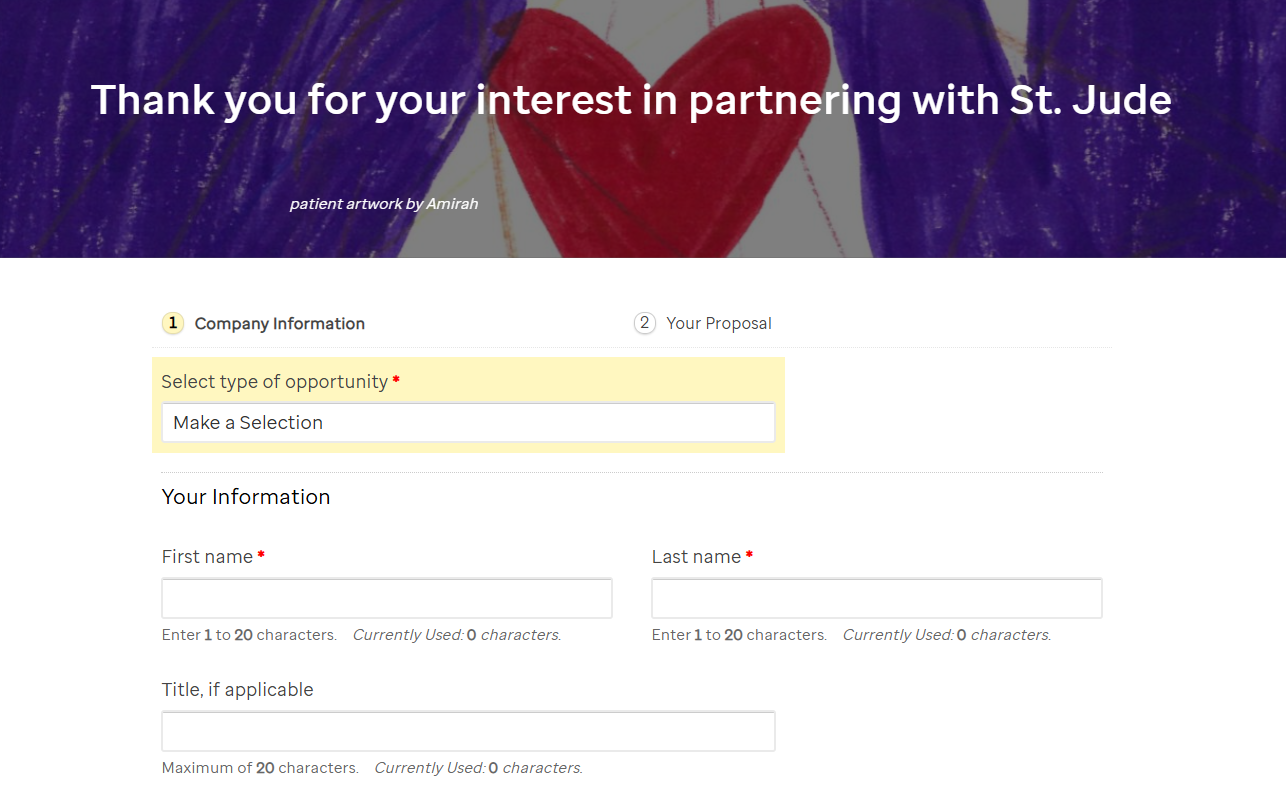
Be sure to request crucial details such as the company name, the specific person’s role, and their areas of interest (e.g., event sponsorship, employee volunteering, matching gifts, cause marketing, etc.). These insights will allow you to segment your leads and follow up with a personalized pitch rather than a generic template.
Tip #2. Get started with Google Ad Grants to promote the page.
One of the most underutilized tools in a nonprofit’s digital arsenal is the Google Ad Grant. This standout program provides eligible 501(c)(3) organizations with up to $10,000 per month in “in-kind” Google Search advertising credit. While most nonprofits use this to drive individual donations or newsletter signups, it can be a powerhouse for attracting corporate sponsors as well.
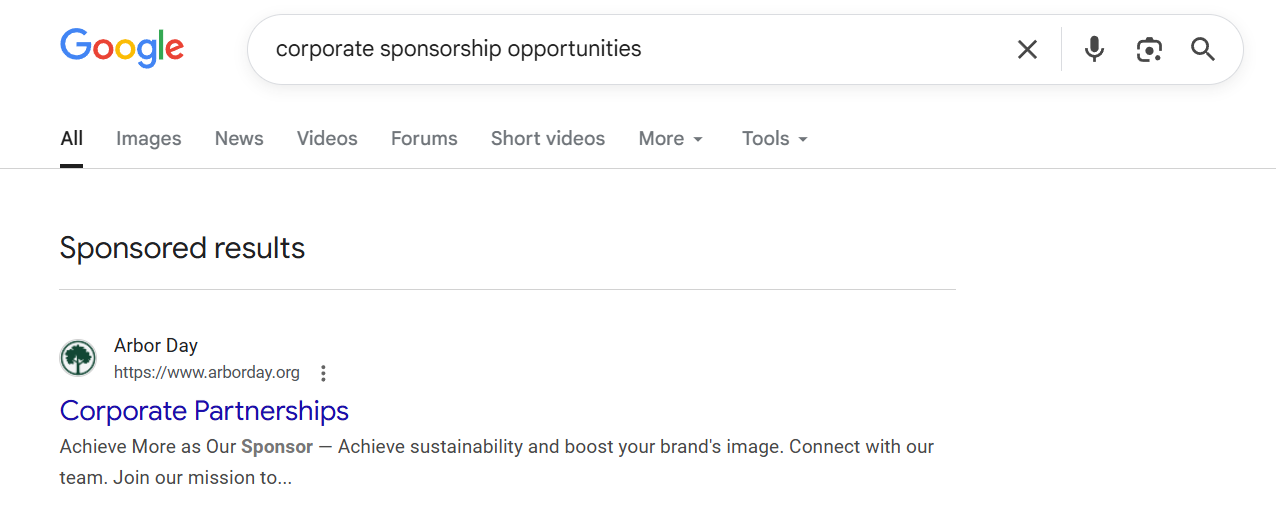
Here’s how you can get started!
Targeting the Right Keywords
To attract sponsors, you need to think like a marketing manager. They aren’t necessarily searching for “how to donate to a charity.” Rather, they are likely searching for:
- “Sponsorship opportunities in [City]”
- “How to improve corporate social responsibility”
- “Nonprofit partnership ideas for tech companies”
- “Local nonprofit events to sponsor”
By bidding on these commercial-intent keywords, you can position your sponsorship hub directly in front of decision-makers at the exact moment they are looking for a way to allocate their community engagement or marketing budget.
Creating High-Converting Ad Copy
Your Google Ads should focus on the partnership’s professional benefits to attract companies interested in getting involved.
Check out this example:
- Headline 1: Partner with [Nonprofit]
- Headline 2: Increase Brand Visibility Today
- Description: Align your brand with a cause that matters. Reach over 50,000 community members through our annual sponsorship programs. View our customizable tiers to get started!
In the nonprofit world, we are used to telling the story of our beneficiaries. However, in B2B advertising, you must address the sponsor’s needs. Their primary concerns are often related to brand sentiment, audience reach, employee engagement, and community standing. Therefore, your copy should reflect these professional ROI-focused metrics.
Landing Page Experience
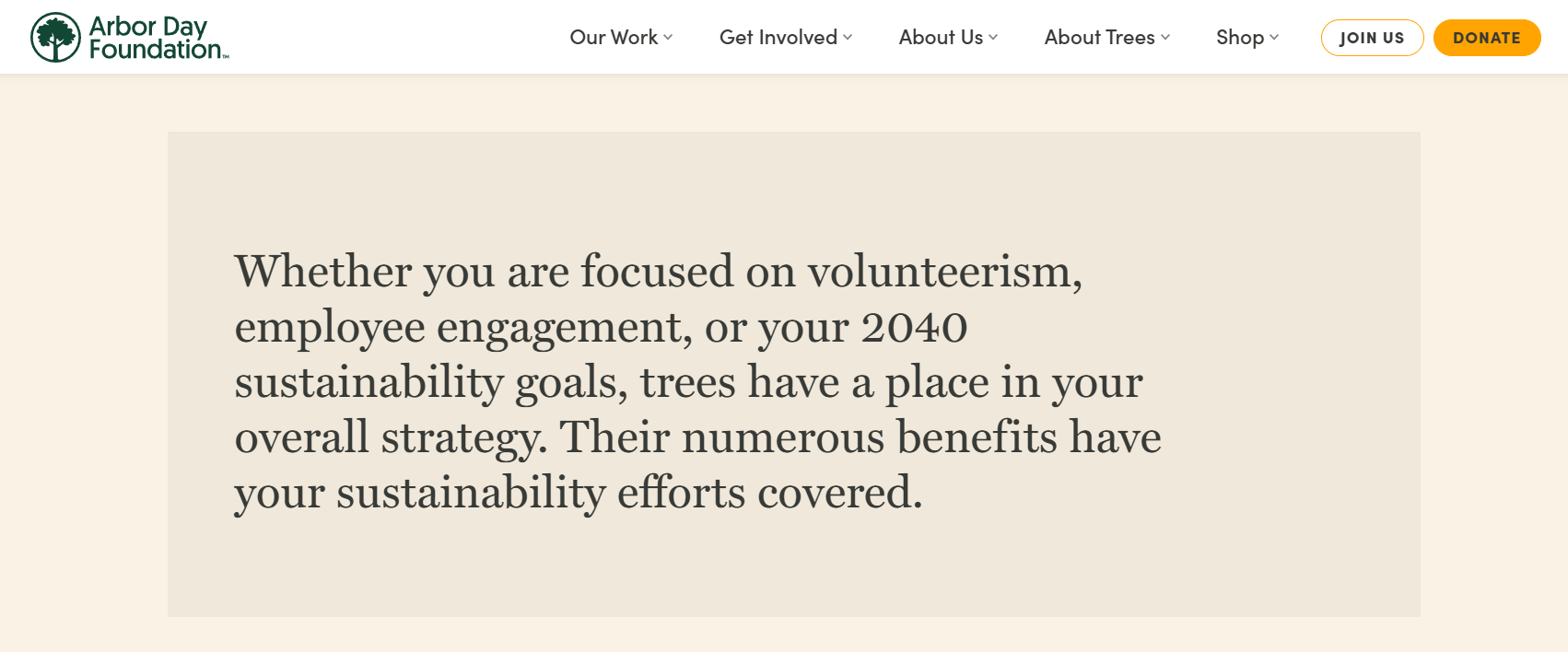
Google rewards ads that lead to high-quality, relevant landing pages. This is why your online Sponsorship Hub (from Step 1) is so important. If your ad promises sponsorship opportunities but the link leads to a generic “About Us” page, your Quality Score will drop, and your ads won’t show.
Therefore, ensure the landing page you target mirrors the language used in your ads to provide a seamless user experience for prospective corporate sponsors.
Tracking Conversions
To make the most of your $10,000 monthly credit, it’s important that you track what happens after someone clicks. Set up conversion tracking in Google Analytics for when someone downloads your prospectus or submits an inquiry form. This allows the Google Ads algorithm to learn which types of users are most likely to become leads, helping you optimize your spending over time.
Tip #3. Post about sponsorship opportunities on social media.
Social media is often viewed as a platform for individual engagement, but for corporate giving, it can effectively serve as a public-facing portfolio. Potential sponsors may examine your social media to see how you treat your current partners and to gauge the level of exposure they could receive.
Let’s review a few top channels to consider.
LinkedIn: The B2B Goldmine
If you’re looking for corporate sponsors, LinkedIn is your most important platform. After all, it’s the only place where you can directly target people by their job title (e.g., “Director of CSR,” “VP of Marketing,” or “CEO”).
Here’s how you can make the most of this platform:
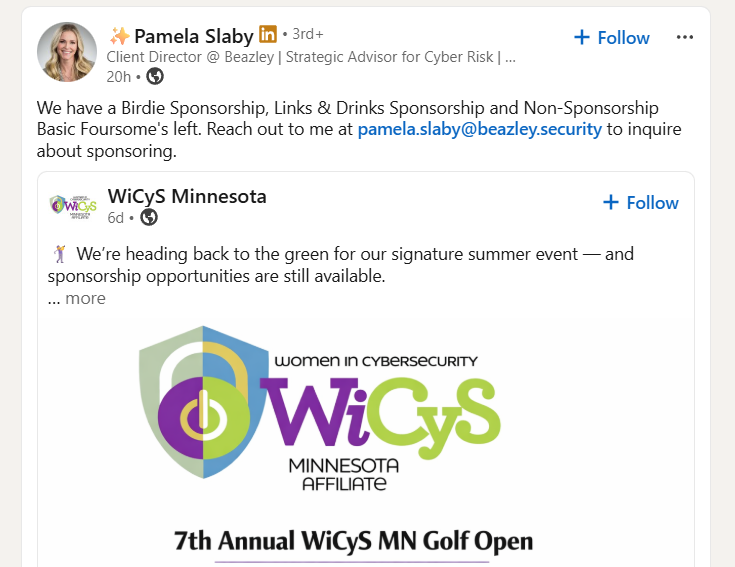
- Employee Advocacy: Encourage your board members and executive director to share posts about partnership opportunities. A personal post from a board member saying, “Our nonprofit is looking for three corporate partners for our upcoming gala,” often carries more weight than a post from the organization’s own page.
- Thought Leadership: Share content that positions your nonprofit as an expert in your field. Companies want to partner with winners and leaders. Therefore, post white papers, impact reports, and insights into the problems you are solving.
- Direct Outreach: Use LinkedIn to identify the right point of contact at a target company. Before sending a cold message, engage with their content, like their posts, and comment on their company’s milestones to build a warm connection.
Instagram and Facebook: Visual Impact
While LinkedIn is for the pitch, Instagram and Facebook are for the vibe. Use these sites to demonstrate the human side of your sponsorships.
Here’s how you can make the most of these platforms:
- Behind the Scenes: Show a photo of a corporate volunteer team at your warehouse. This can help prospective sponsors visualize their own workforce joining together to support your operations!
- The “Thank You” Economy: Regularly share partner spotlights. When you tag a company in a high-quality post, their social media manager may even reshare it to their own audience, providing your nonprofit with additional exposure.
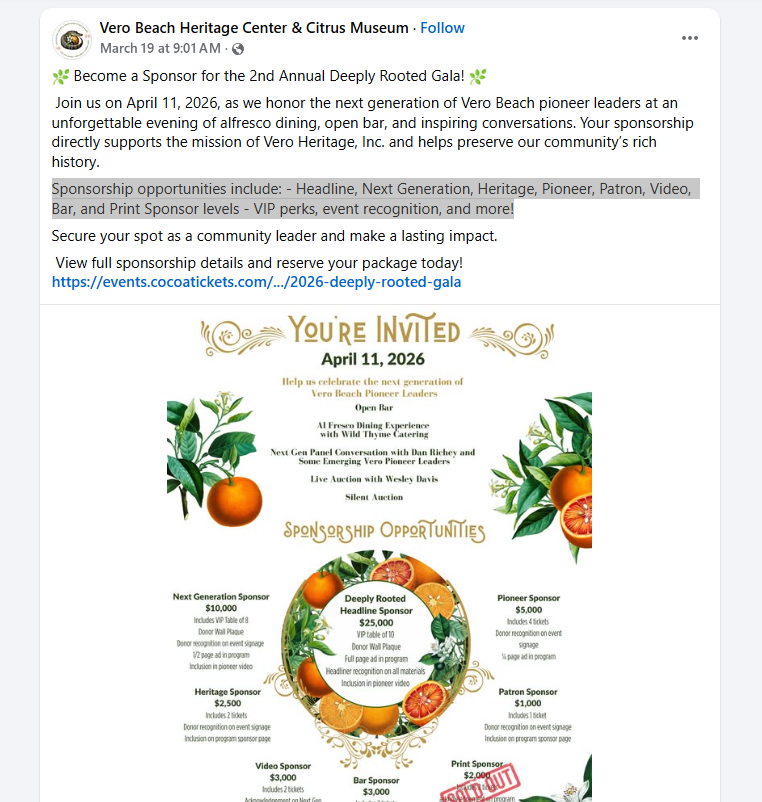
- Call to Action Posts: Once a quarter, create a dedicated graphic or short-form video (such as a reel or TikTok) explicitly inviting new partners to get involved. Use text overlays like: “Want to see your logo here? Join our mission as a Corporate Sponsor.”
Using Paid Social
Beyond organic posts, consider a small budget for LinkedIn or Facebook Sponsored Content to promote your corporate sponsorship opportunities to new crowds. You can even narrow your audience to specific industries or companies in your geographic area!
A well-placed ad showcasing the success of a previous corporate-sponsored event can pique the interest of a competitor brand that doesn’t want to be left out of the community conversation.
Tip #4. Use social proof; spotlight current partners.
In the corporate world, nobody wants to be the first person on the dance floor. Companies feel more comfortable investing in a nonprofit with a proven track record of successful partnerships. This is where social proof becomes your greatest nonprofit marketing asset.
Social proof is the psychological phenomenon where people (and businesses) look to the behavior of others to guide their own decisions. By highlighting your current partners, you signal to the market that your nonprofit is “brand-safe,” professional, and well worth the investment.
The “Partner Wall” Evolution
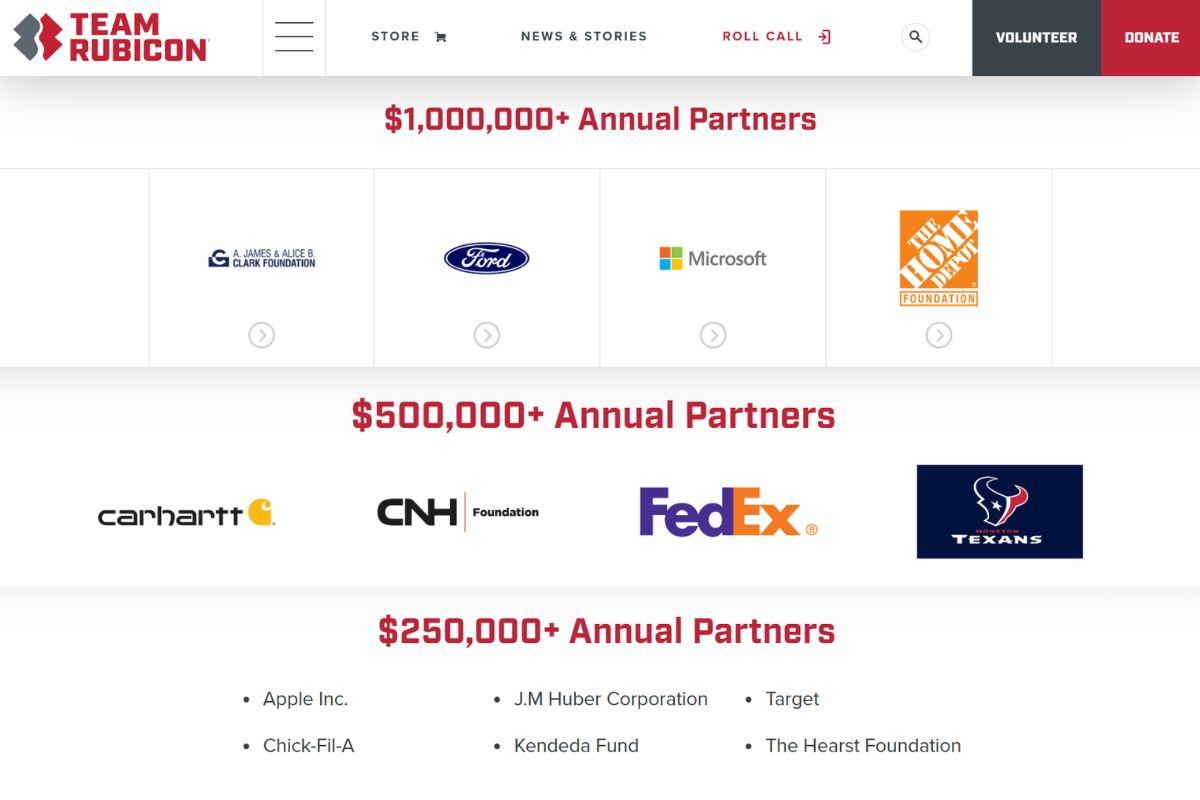
Moving beyond a simple list of logos on the footer of your website, create a dynamic “Our Partners” page. Be sure to organize logos by sponsorship tier to create a sense of prestige for your top-level partners and give smaller sponsors something to aim for in the future.
From there, consider linking each logo to the partner’s website. This provides them with a valuable “backlink,” which is great for their SEO (or search engine optimization) and is a tangible digital benefit you can offer!
Check out this example from Team Rubicon!
In-Depth Case Studies & Testimonials
For your most significant or successful corporate partnerships, go beyond a simple thank you and create a dedicated case study. A 500-word blog post or a 2-minute video can detail:
- The Challenge: What was the brand trying to achieve? (e.g., “Company X wanted to engage their employees in local environmental work.”)
- The Solution: How did the nonprofit help? (e.g., “We created a customized ‘Day of Service’ for Company X’s 200 employees.”)
- The Result: What was the impact? (e.g., “3 tons of trash removed, 5 social media posts with 10k combined reach, and a 20% increase in employee satisfaction scores.”)
Check out this example from the YMCA!
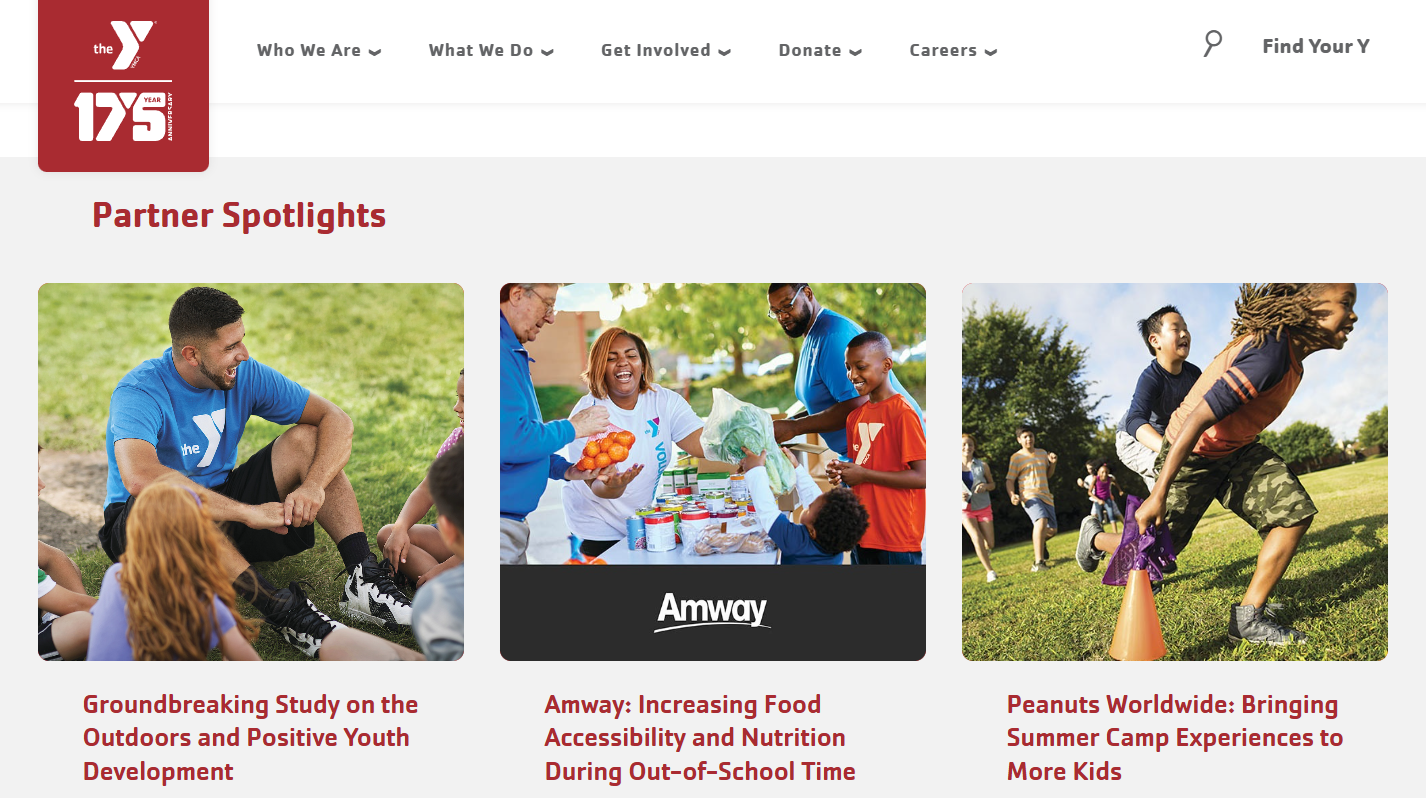
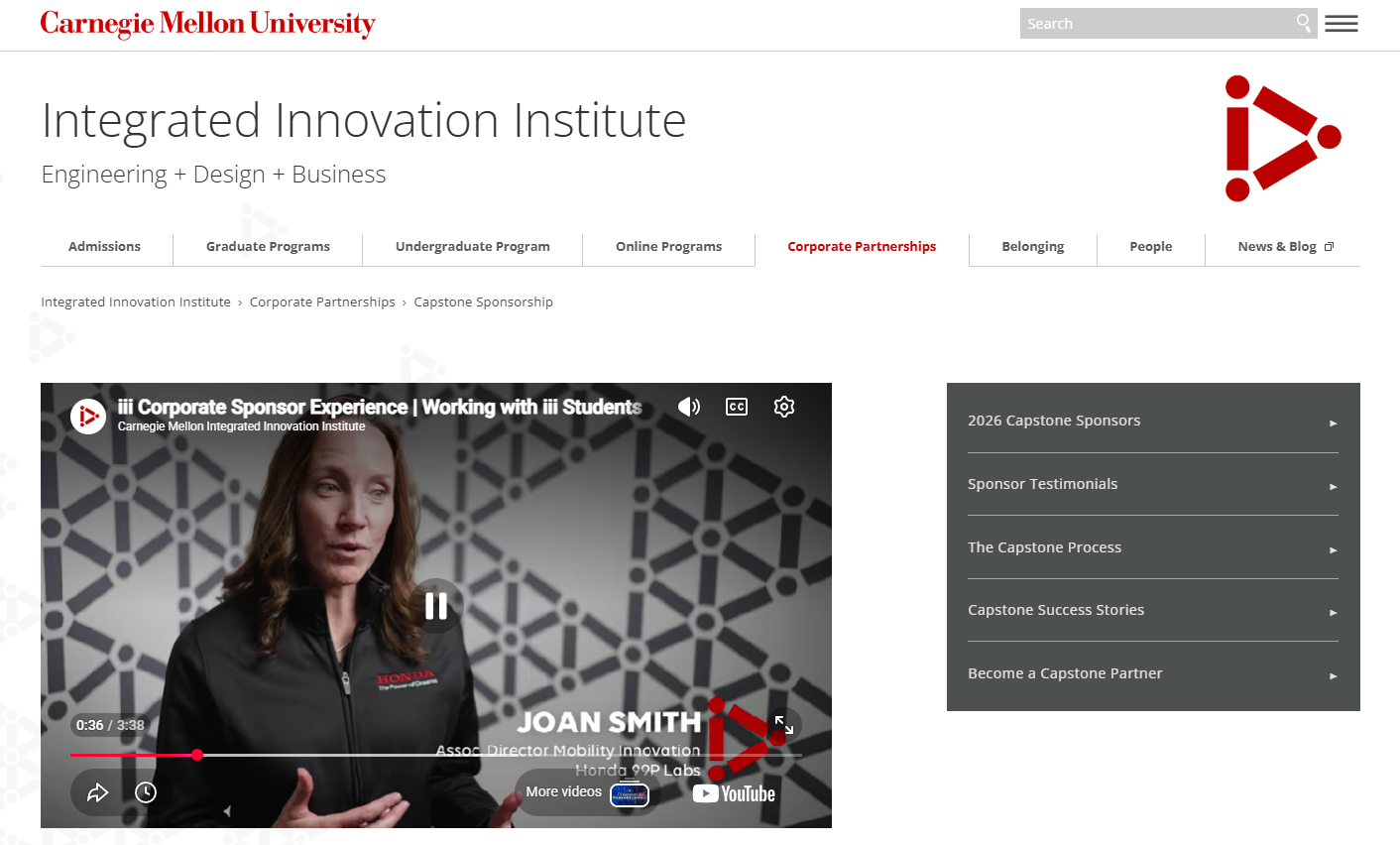
A quote from a CEO or a CSR Director about why they chose your nonprofit can be incredibly persuasive as well. These testimonials should focus on your professionalism and the ease of working with your cause. For example, “Partnering with [Nonprofit] was seamless. Their team understood our marketing goals and provided us with all the assets we needed to share our impact with our customers.”
Check out this example from Carnegie Mellon University!
Conclusion
Marketing corporate sponsorships in the digital age requires a shift in mindset. You are no longer just a charity looking for a handout; you are a community-based organization offering a unique value proposition to the business world.
The digital tools to achieve this success are at your fingertips. Many of them, like the Google Ad Grant, are essentially free for nonprofits. The question is: are you ready to present your mission in a way that businesses can’t afford to ignore?
Here are some next steps to help you get started:
- Audit your website: Can a stranger find your sponsorship information in under 10 seconds?
- Check your Ad Grant status: If you aren’t using it, apply today. If you are, create a new campaign specifically for sponsorship keywords.
- Gather your stories: Reach out to an existing partner this week and ask for a testimonial or permission to write a case study on your partnership.
By digitizing your approach, you aren’t just looking for a check; you’re building a sustainable ecosystem of partners who will help your nonprofit thrive for years to come. Good luck!