Get your nonprofit found in AI search with our AI optimization service
ChatGPT, Gemini, Claude, Perplexity, and other AI tools are answering questions about causes like yours every day. We help make sure your nonprofit is on top of those answers.
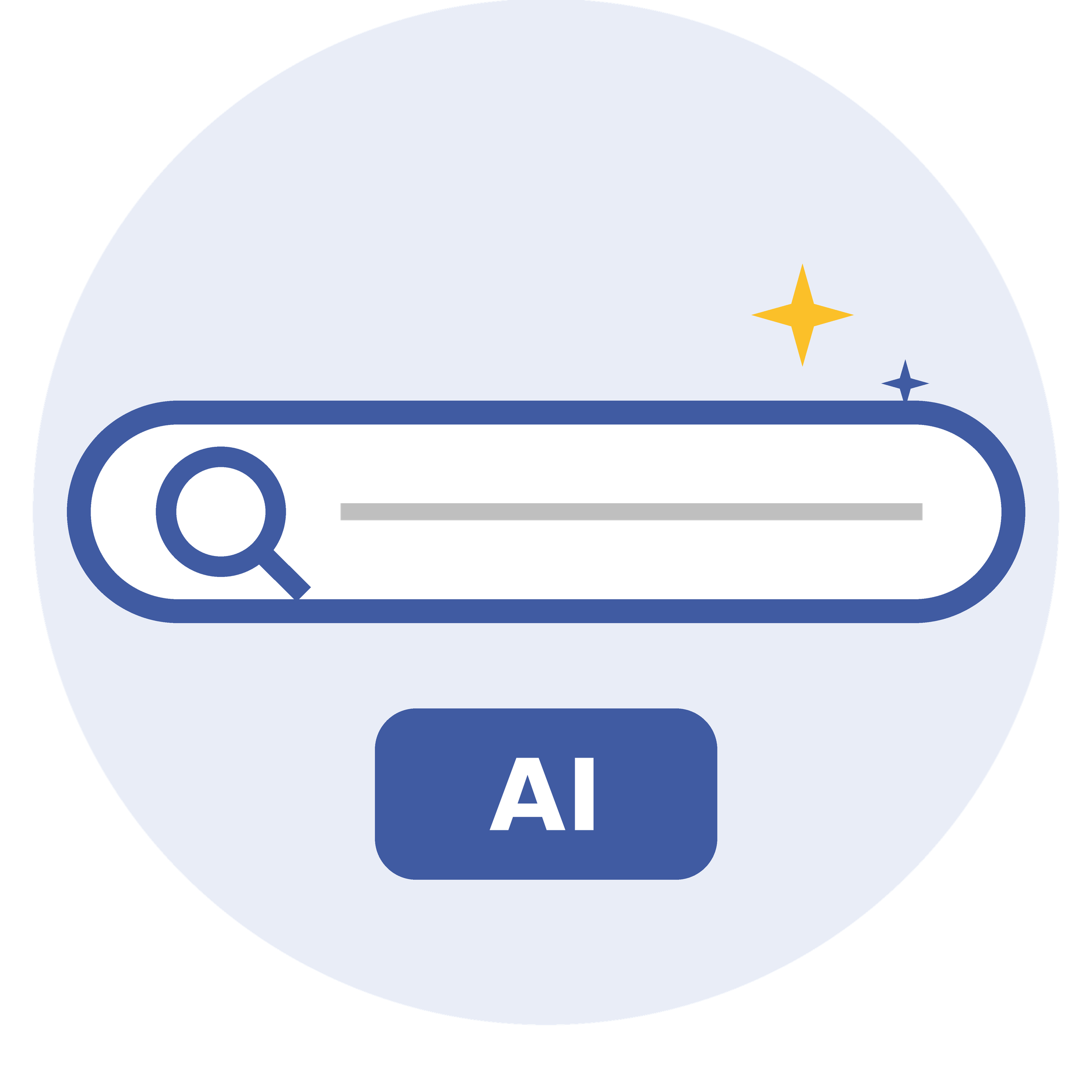
Getting Attention’s AI optimization services help nonprofits show up accurately when people ask ChatGPT, Gemini, and other AI tools about their cause. We set up your site for AI crawlers, structure your content so AI tools can read and cite it, and write answers to the real questions your supporters are asking.
Your next supporter might not be Googling you. They might be asking ChatGPT.
AI tools are quickly becoming a real discovery channel, right alongside Google. People are asking ChatGPT, Gemini, Claude, Perplexity, and other AI-powered search tools about causes, organizations, and where to give or get help, and most nonprofit websites aren’t built to be found, read, or cited by them yet.
Our AI optimization services make sure your nonprofit’s website is set up to be picked up accurately when AI tools go looking for answers.
How do you know if you need this service?
Most nonprofits simply haven’t checked yet where they stand with AI tools, and that’s completely normal. Unlike a slow website or a broken link, there’s no obvious signal telling you whether ChatGPT or Gemini even knows your organization exists.
It’s worth taking a look, especially if any of this sounds familiar:
Add this on top of your Ad Grant management, and one flat monthly rate covers everything: crawler setup, content structured for AI tools, research into the questions your supporters are actually asking, and ongoing monitoring to make sure AI tools keep getting it right.

We make sure AI tools and bots can access and read your site the way they’re supposed to, including basic groundwork like an llms.txt file. It’s a quick, low-risk addition now, and it could matter more later if AI tools start relying on it more heavily.

We write and structure your content with clean schema, proper headings, clear Q&A formatting, and concise summaries that AI tools can easily pull from when answering someone’s question. This way, your content can get picked up when users ask AI tools queries related to your nonprofit.

We keep an eye on how your organization shows up across AI tools over time, and flag it when something looks off or out of date, so we can fold a fix into your ongoing content work.
Aside from technical signals, AI search also relies on the quality, clarity, accuracy, and structure of the content itself. Here are a few of the ways we approach that when writing for nonprofits:

Every section leads with the direct answer first, in simple, easy-to-understand phrasing. That way, an AI tool can lift a clear answer right from the top of the section instead of digging through a long essay to find it.

We write from your nonprofit’s actual programs, numbers, and brand voice, not interchangeable copy that could describe any organization. Generic content gives AI tools nothing distinct to point to, so it tends to get passed over in favor of a source that says something more specific.

We dig into the questions people are asking ChatGPT, Gemini, and other AI tools about causes like yours. Then we build content that directly and clearly answers those questions, so AI tools have something solid to pull from when your cause comes up.

Short paragraphs, clear headers, and a logical flow from question to answer make content easy to scan for both humans and AI tools reading the page.

Accurate and consistent details across your site give AI tools a source they can rely on. Inconsistent or outdated information makes a tool less likely to cite you at all.

We revisit and update content regularly, since AI tools tend to favor fresh, accurate information over a page that hasn’t been touched or updated in years.
More people are using AI tools to answer questions, research causes, and discover organizations. Making your nonprofit more visible in these tools can have several benefits, including:

AI tools often answer a question directly instead of just listing links. If your nonprofit is the source behind that answer, you’re already in front of someone before they’ve clicked anything.

People asking AI tools highly context-driven questions, like how to donate to a cause that helps a certain group, or which nonprofit offers a specific kind of support in their area, are usually further along the path to taking action than someone typing a broad search term. Showing up for those exact moments puts you in front of people who are ready to engage, not just browsing.

AI tools cite whoever answers the question best, not just whoever has the biggest budget or the most backlinks. A small nonprofit with clear, specific content can get cited right alongside a much larger one.

AI search is still new enough that most nonprofit websites haven’t adapted to it. Getting set up now means less work playing catch-up later, once it’s standard practice.
Your Ad Grant gets you in front of people actively searching on Google. AI-optimized content gets you in front of people asking AI tools those same kinds of questions before they’ve even started a traditional search.
The two also reinforce each other technically. Google rewards ad landing pages that are relevant, well-structured, and trustworthy, the same qualities that make content easier for AI tools to read and cite. Improving your content for AI visibility tends to strengthen your Quality Score and ad performance too, not just your AI presence.
Our team can help you create content that’s clear, accurate, and easy for both people and AI tools to understand. Get in touch to learn how we can strengthen your website’s visibility across search engines and emerging AI platforms.
What is the difference between SEO and AIO (AI optimization)?
SEO focuses on being visible in traditional search engines like Google, mostly through keywords, links, and technical site health. AIO gets your content picked up, understood, and cited by AI tools like ChatGPT and Gemini, which care more about clear, direct answers than keyword density. The two overlap quite a bit, but AIO leans more on answer-led writing and AI-readable structure, while SEO leans more on rankings and traditional search behavior.
How do I optimize my content for AI?
Start with clear, direct answers near the top of the page, organization-specific details instead of generic language, clean structure like headers and short paragraphs, and accurate, consistent information across your site. Technical groundwork like an llms.txt file helps too, though the biggest lift comes from how the content itself is written.
Is AI optimization included in my Ad Grant management service?
It’s an add-on to your Ad Grant management. One flat $600 per month rate covers it alongside your existing account work!
How do I know if AI tools are already mentioning my nonprofit?
The simplest way is to ask! Try typing a few questions related to your cause into ChatGPT, Gemini, Claude, or another AI tool and see what comes up, if anything.
How long does it take to see results from AI optimization?
It varies. Technical setup happens quickly, but AI tools build trust in a source over time, similar to how SEO results build gradually rather than overnight.